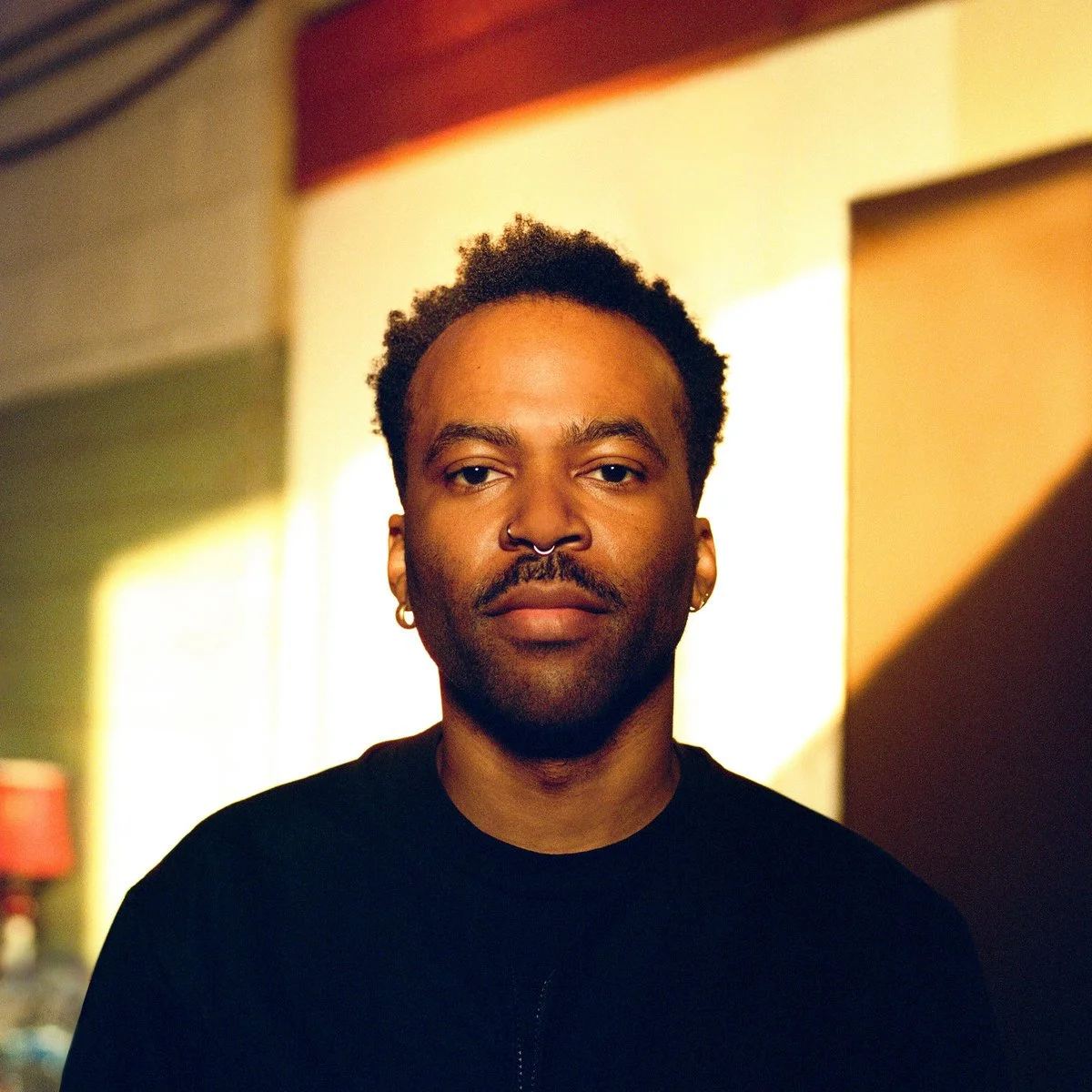
Now Available
Josh Johnson
Animative
LP, CD, and Digital
Out October 23, 2026
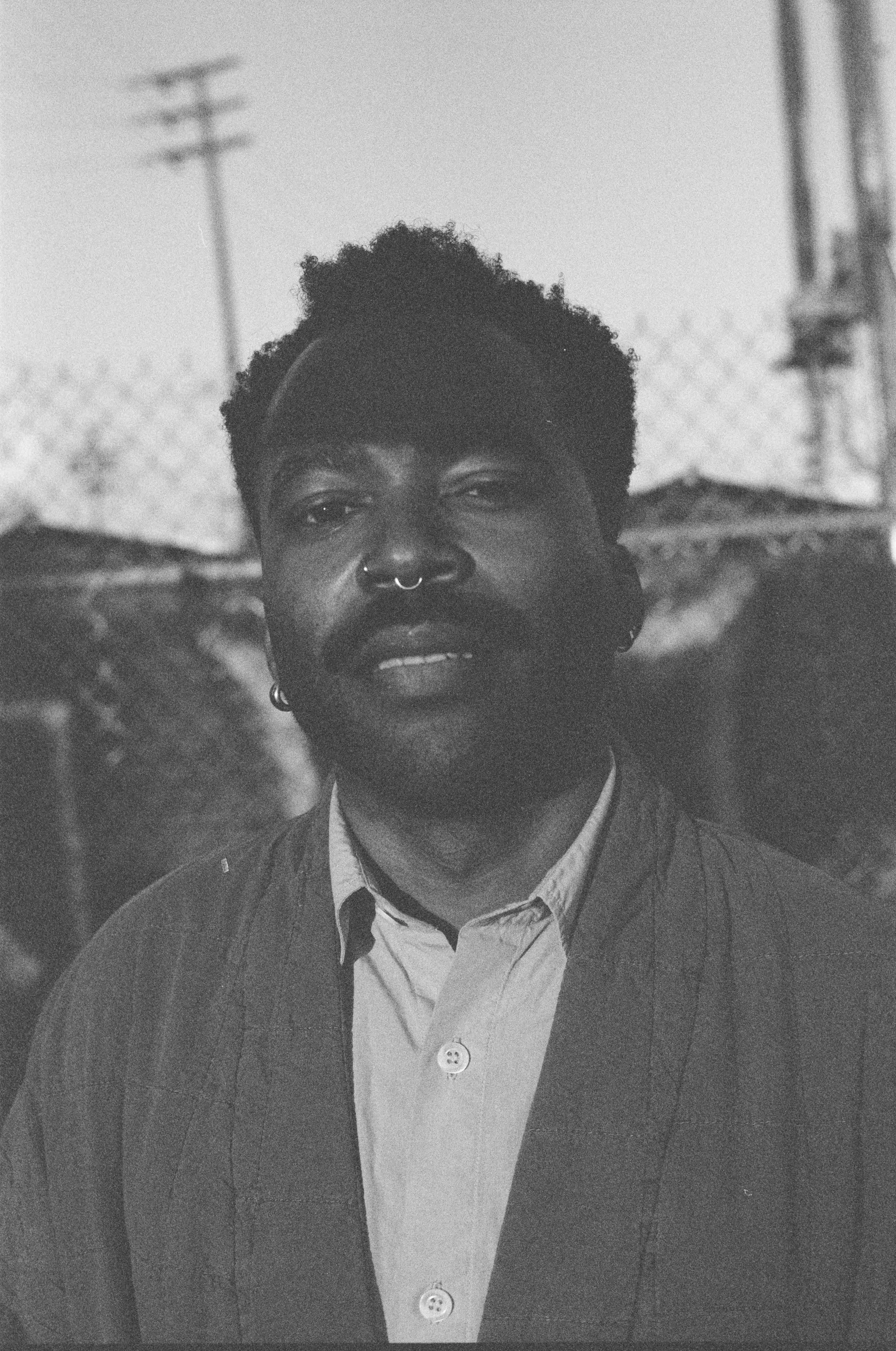
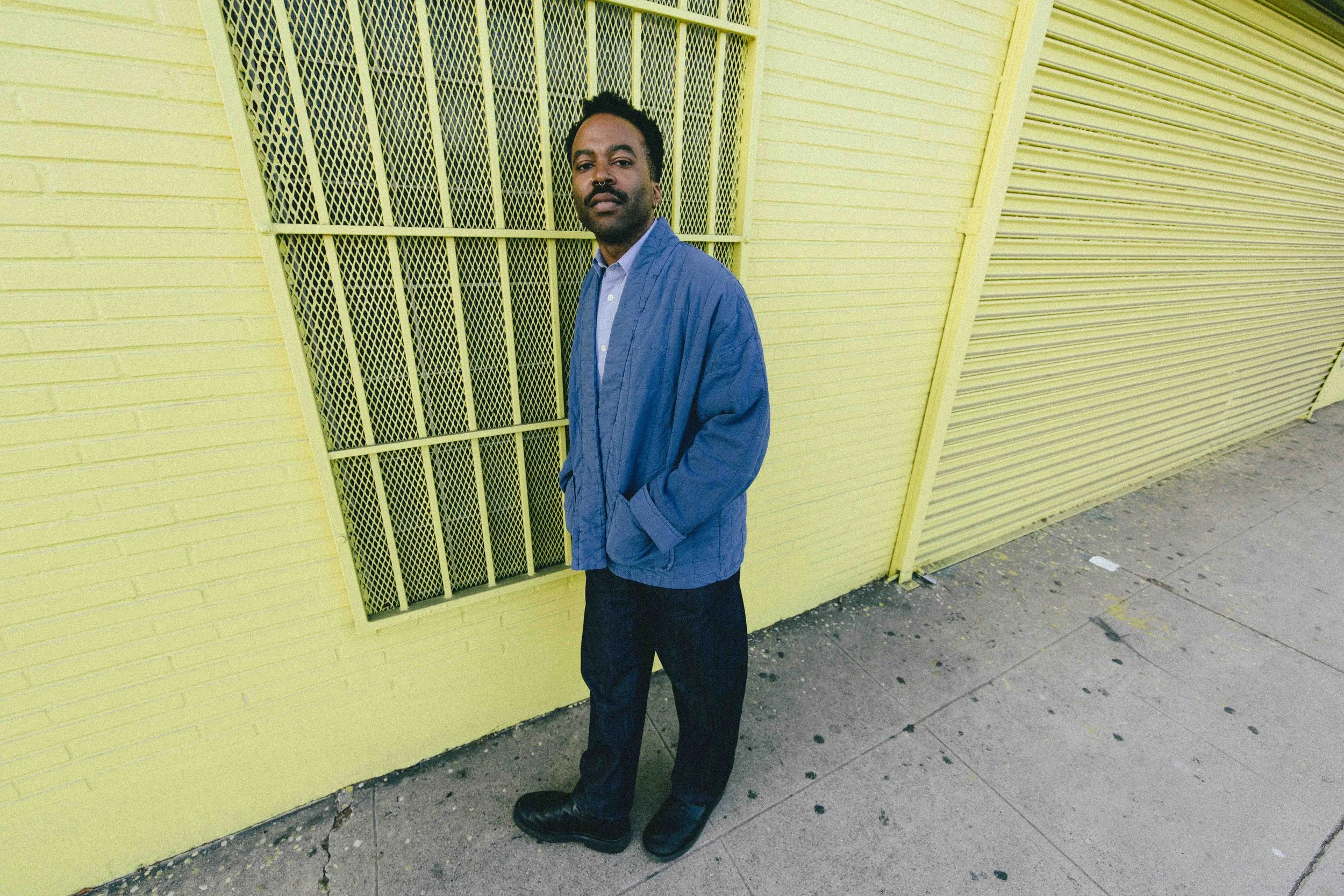
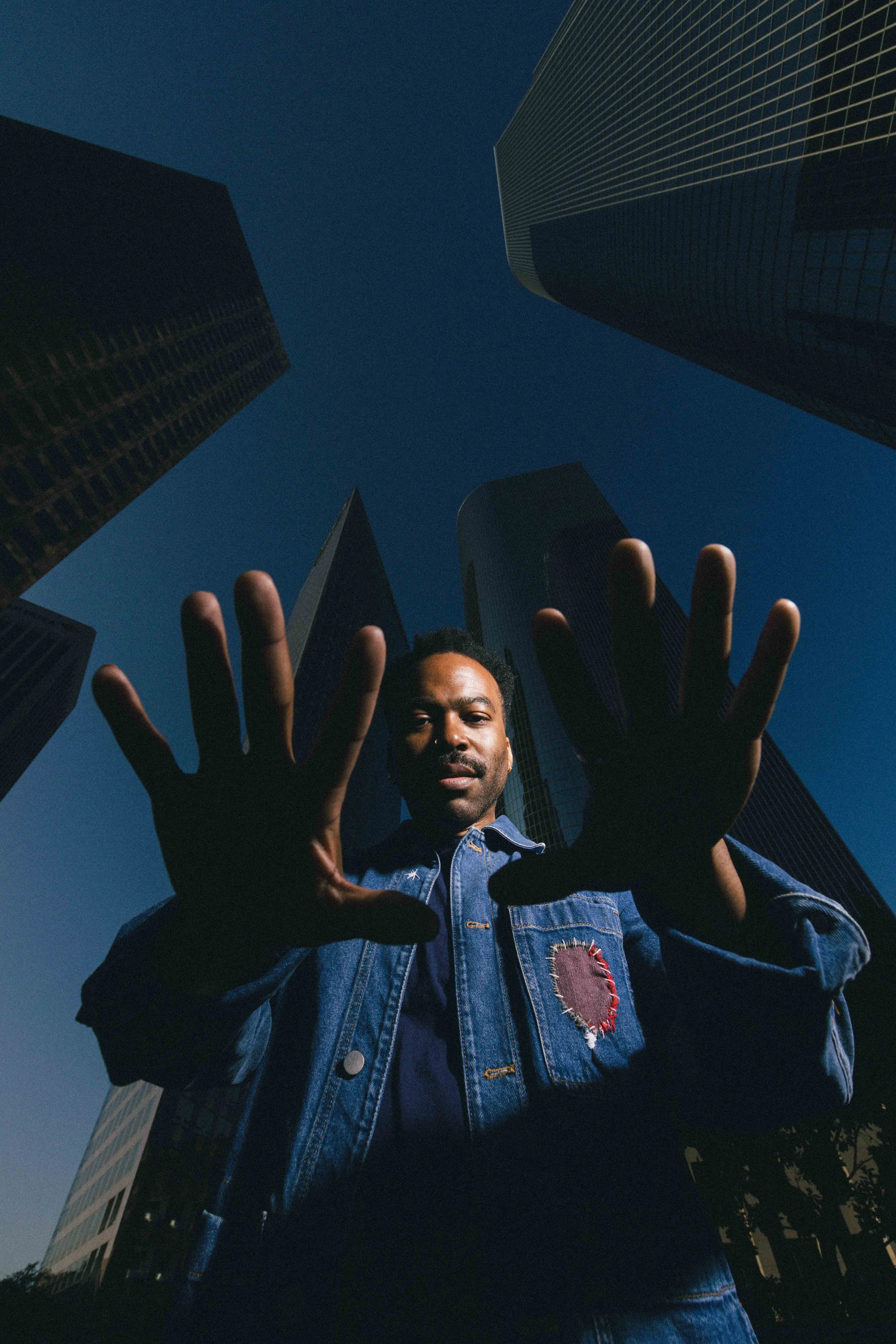
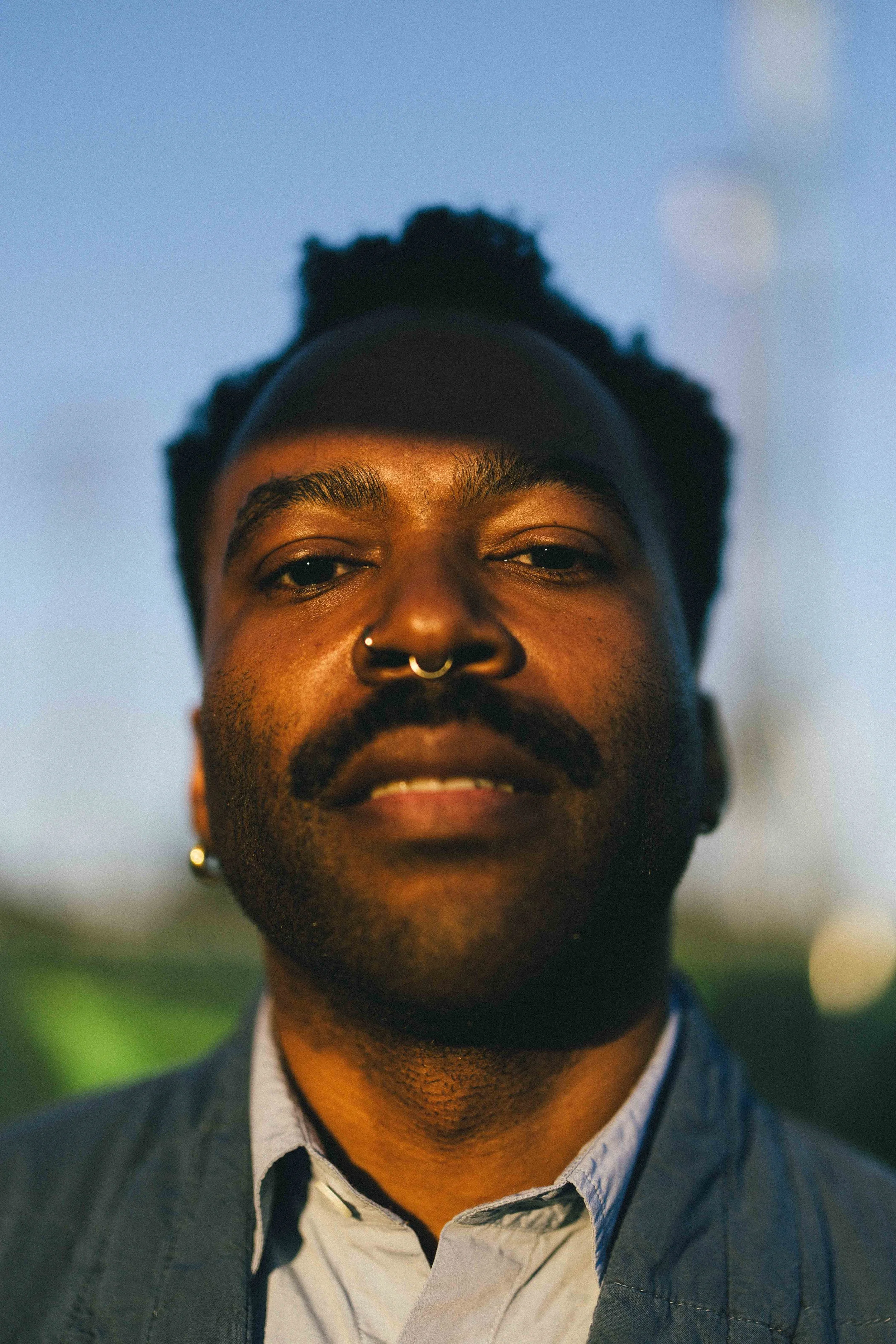
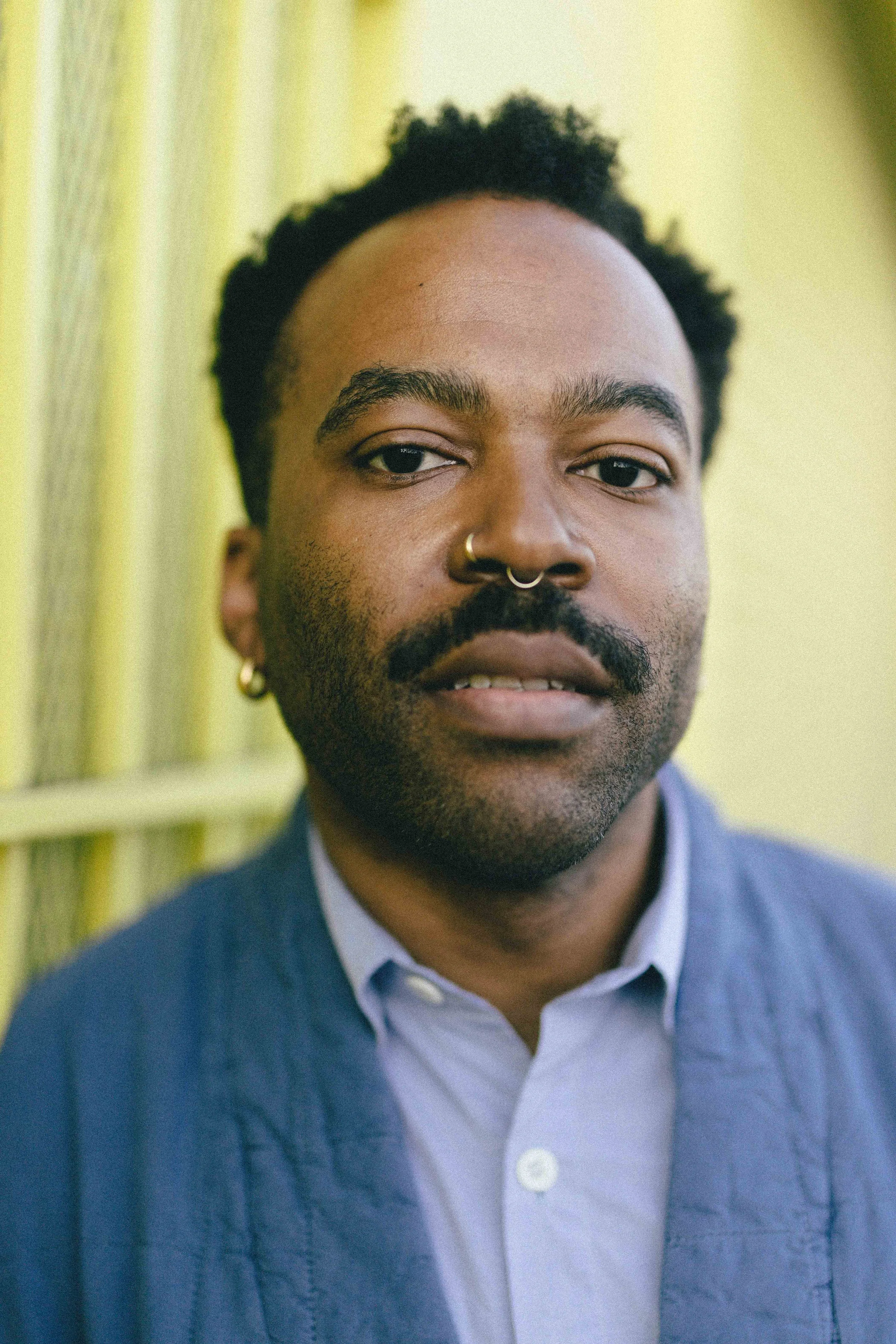
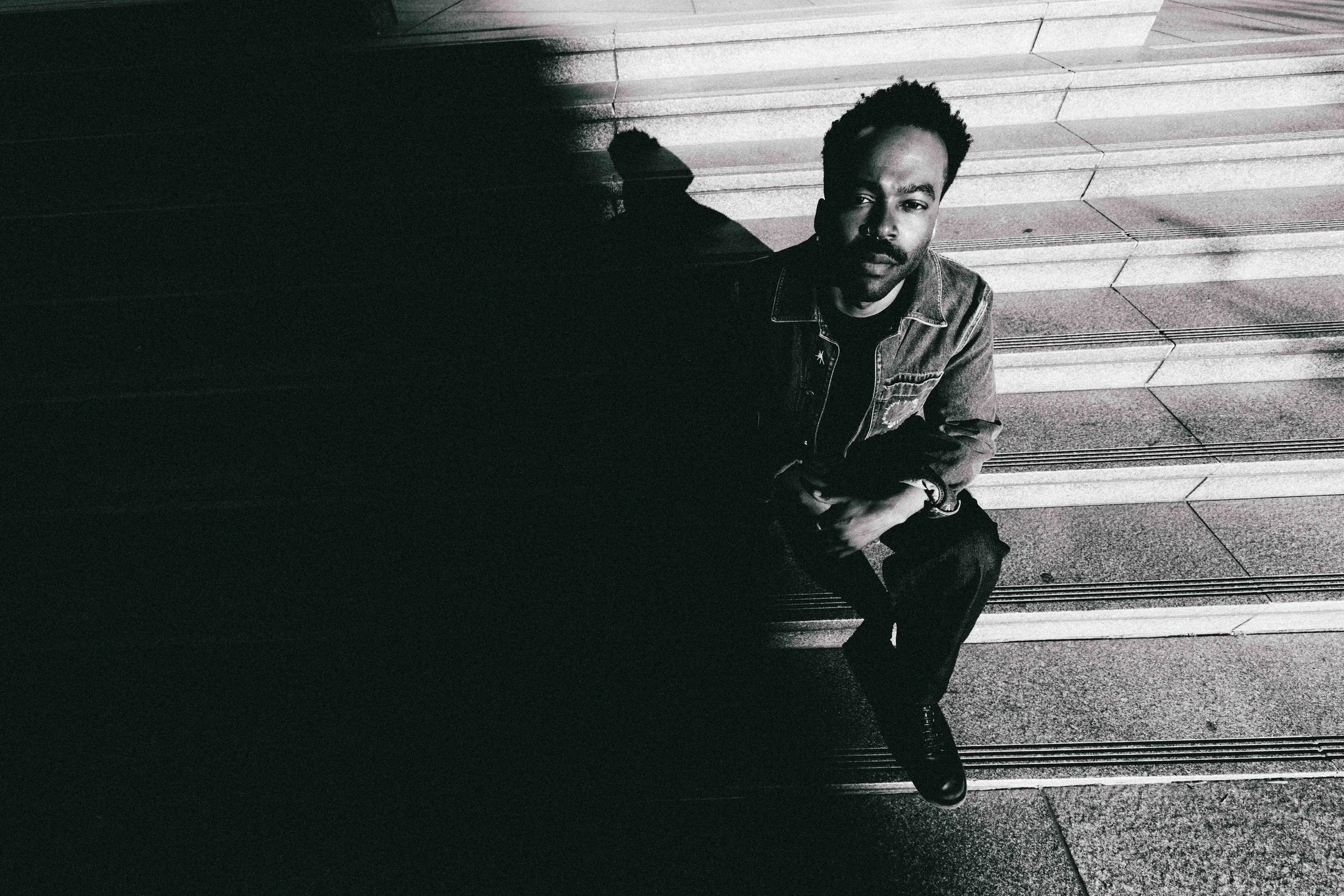
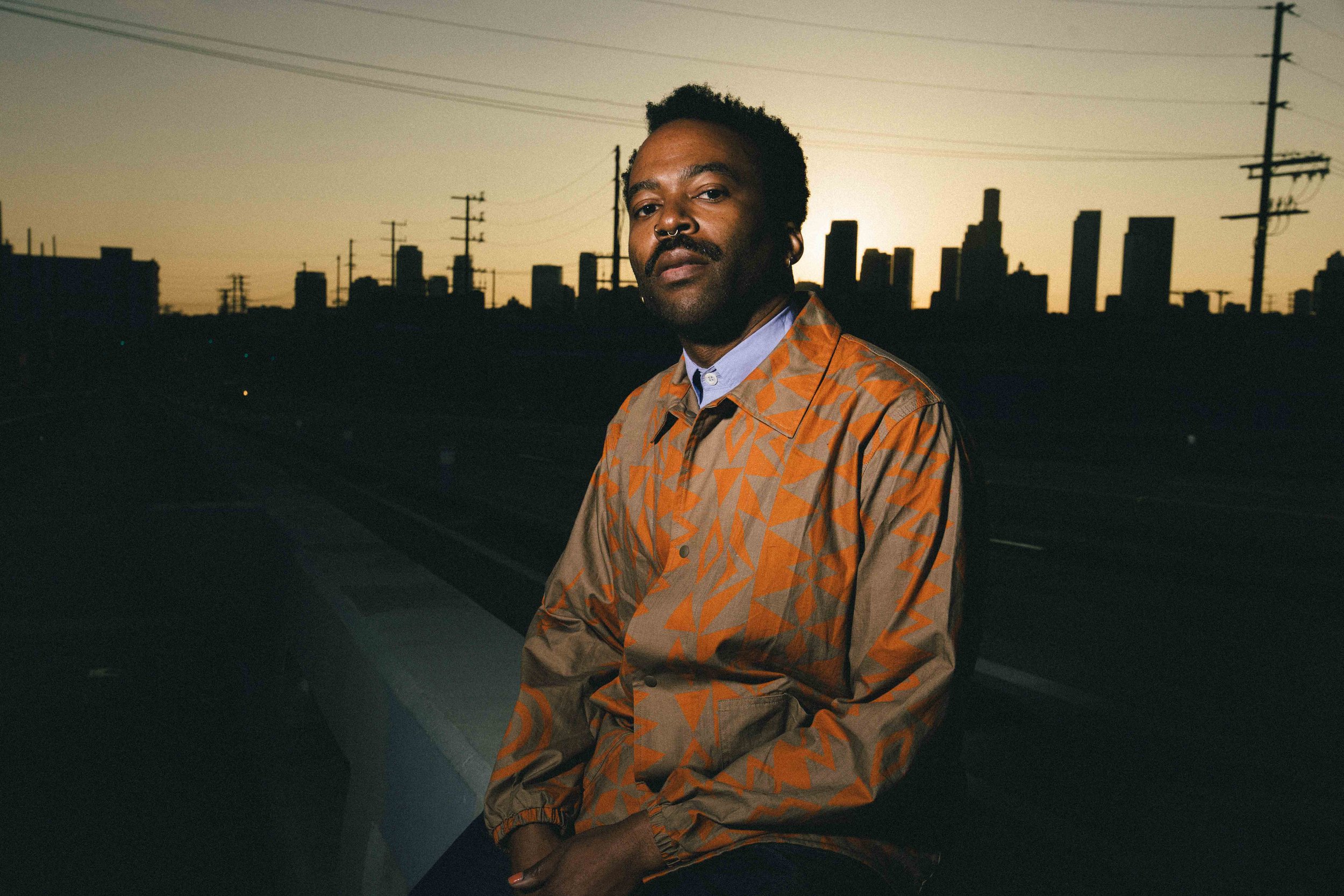
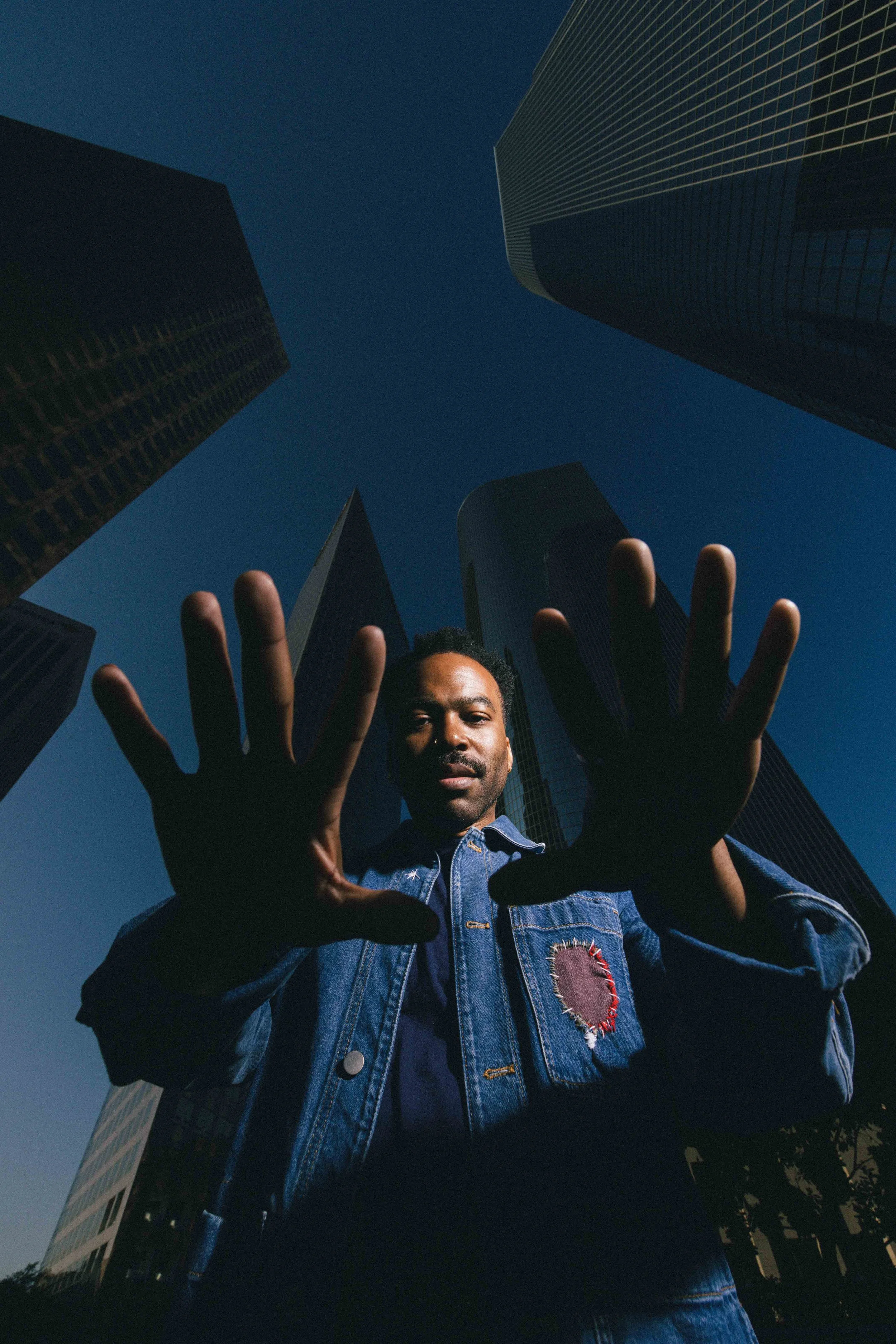
(Photo by Atiba Jefferson)
About Josh Johnson
Josh Johnson spent his earliest years in Maryland before his family moved to the Chicago suburbs when he was young. He didn’t take to his piano lessons, finding that he was happier teaching himself. It was only after starting to play the saxophone at age eleven that he fell completely in love with music. Soon after, his parents bought him a stack of jazz records; the sound that caught his attention most was the saxophone of Lester Young. “I was like, ‘This dude is talking to me,’” Johnson says. “That's what it felt like.” He was as fascinated by the intellect and swagger he heard inside Young’s playing as he was by the “vocal qualities” of the saxophone. “It can whisper, it can scream, it can be really textured. I was still playing piano and keyboards, but the saxophone was what captured me,” he says.
Johnson went on to earn a bachelor’s in music from Indiana University, making the nearly eight-hour round trip from Bloomington to Chicago on the weekends to participate in his hometown jazz scene. After graduating, he spent a couple of years living and working in Chicago before attending grad school at the Thelonious Monk Institute of Jazz (now the Herbie Hancock Institute) in Los Angeles, studying under Shorter and Hancock.
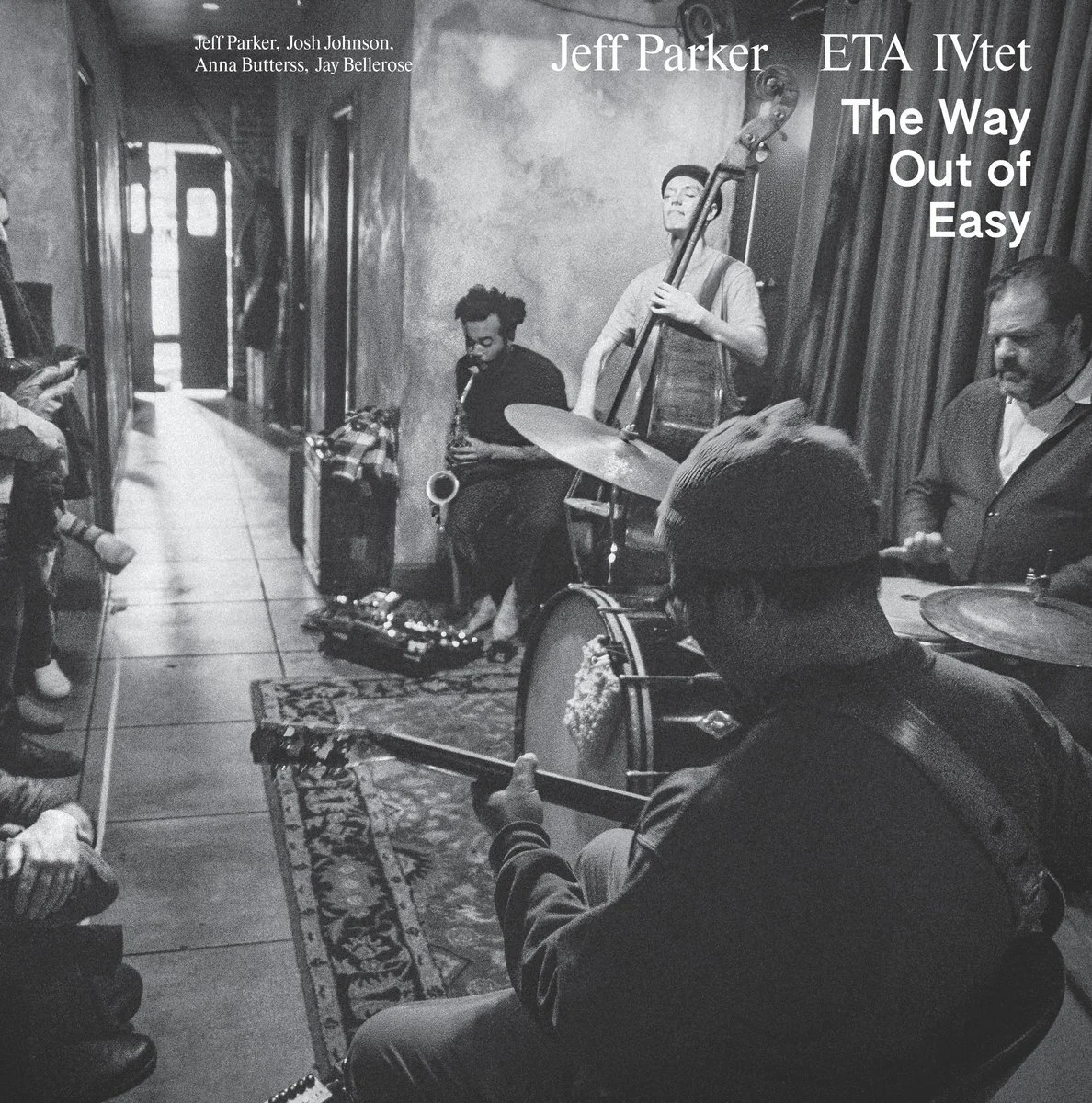
The Way Out of Easy by Jeff Parker ETA IVtet
He found himself surrounded by an L.A. jazz scene that was in bloom creatively and culturally. While Kamasi Washington and Terrace Martin’s careers filled the foreground, a vast network of musicians was intermingling jazz, ambient, dance music, hip-hop, minimalism, and more at venues around town. Before long, Johnson was near the center of nearly all of it. He was energized by the exchange between different music scenes and artistic disciplines in those years, particularly on gigs he played with Miguel Atwood-Ferguson, Mark de Clive-Lowe, and Jamire Williams. “There was a lot going on, and a lot of places to play, and a lot of cross-pollination all coming about very organically,” he remembered. “I think that really encouraged me, because there were all these people just finding different ways to combine a lot of their interests. There was room to make a path.” Originally expecting to return to Chicago or head to New York after the Monk Institute, Johnson chose to stay put. “Part of what kept me in L.A. is that I felt like, ‘I'm interested in all these different things. If I was to move to New York right now, I might need to spend a long time just following this one path of the saxophone lineage.’” One of L.A.’s headiest spaces in those years was ETA, the Highland Park bar where Jeff Parker’s ETA IVtet—which includes Johnson, bassist Anna Butterss, and drummer Jay Bellerose—played weekly. “I guess it's like any sort of long-running gig in that it sort of takes on a life of its own,” Johnson says. “In those early days, there were a lot of different people who would come in there: other musicians, but also visual artists and painters, dancers, skateboarders from the various tributaries of Jeff’s world, stuff like that. There was this beautiful kind of overlap.”

Uhlmann Johnson Wilkes by Gregory Uhlmann, Josh Johnson, Sam Wilkes
In the past decade-plus, Johnson has become an essential collaborator to Carlos Niño, Nate Mercereau, Louis Cole, aja monet, Gregory Uhlmann, Anna Butterss, Matthew Stevens, and Sam Wilkes, among others. When not playing in a group led by someone else, Johnson has often gravitated toward co-led ensembles like SML (with Butterss, Uhlmann, Jeremiah Chiu, and Booker Stardrum), the Openness Trio (with Mercereau and Niño), or his collaborative trio with Uhlmann and Wilkes. Meanwhile, he also maintains a connection to the leading Chicago musicians of his generation, continuing to play in bands led by Marquis Hill, Makaya McCraven, and Joel Ross.
In addition to his jazz bona fides, Johnson’s musical versatility has been informed by an impressive resume of pop music work, including with the Red Hot Chili Peppers, Harry Styles, Miley Cyrus and Ezra Furman. Johnson served as musical director for Leon Bridges from 2018 to 2022, in which time he directed a performance with London’s Royal Philharmonic Orchestra, for which he arranged fourteen of Bridges’ songs.
For Johnson, every collaboration is a chance to connect and extend his practice. Much of the spirit of his latest album Animative has been informed by lessons he gleaned from recent work with Ndegeocello in particular. “We all have certain assumptions that we come into writing or making music with. Working with her, some of those things were broken down for me immediately,” Johnson says. “It opened me up to not just consider more of what’s coming in externally, but to also let more of the variety that's inside of me come out.”
Just Announced!
Animative