

Now Available
Kalia Vandever
Mana
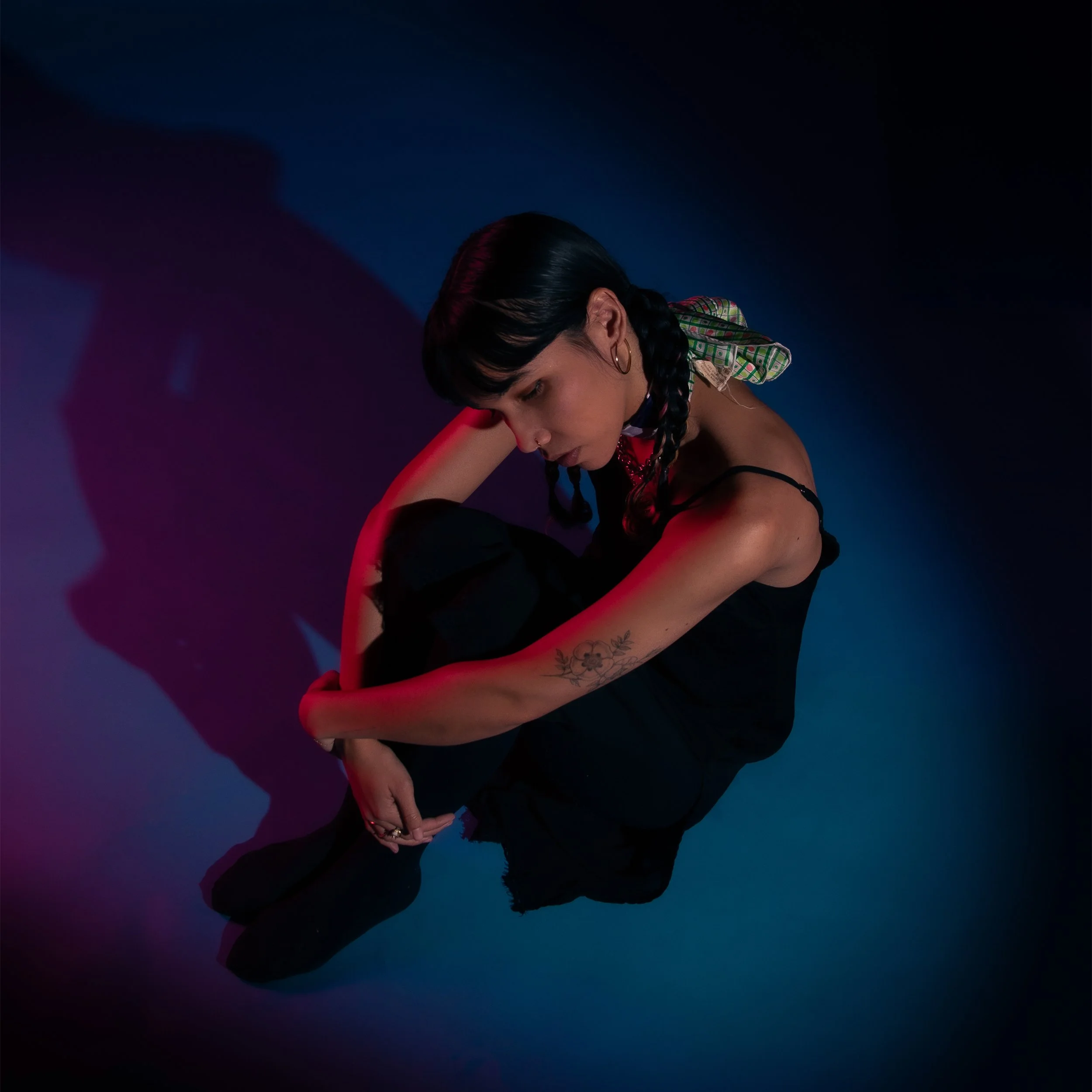
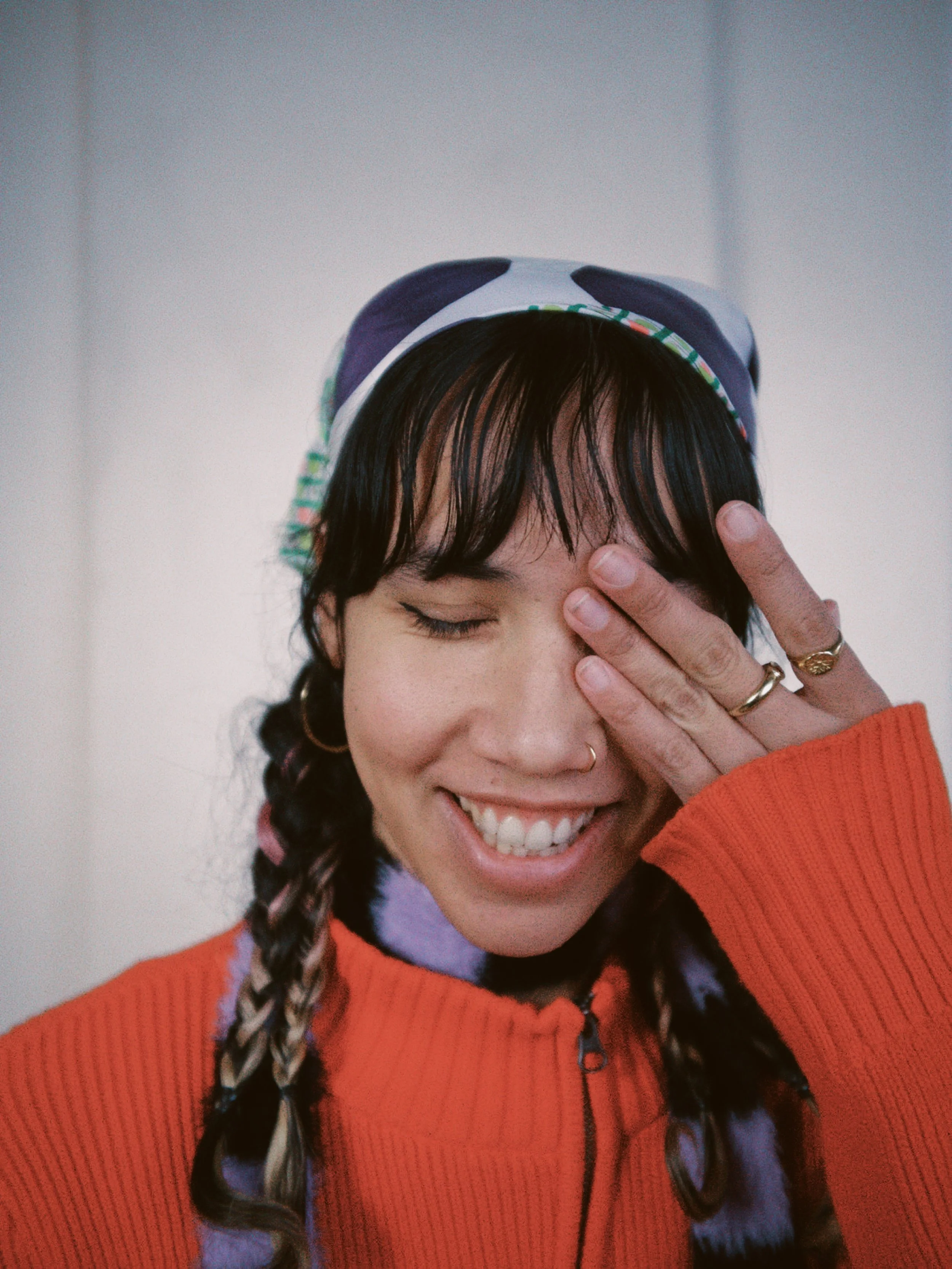
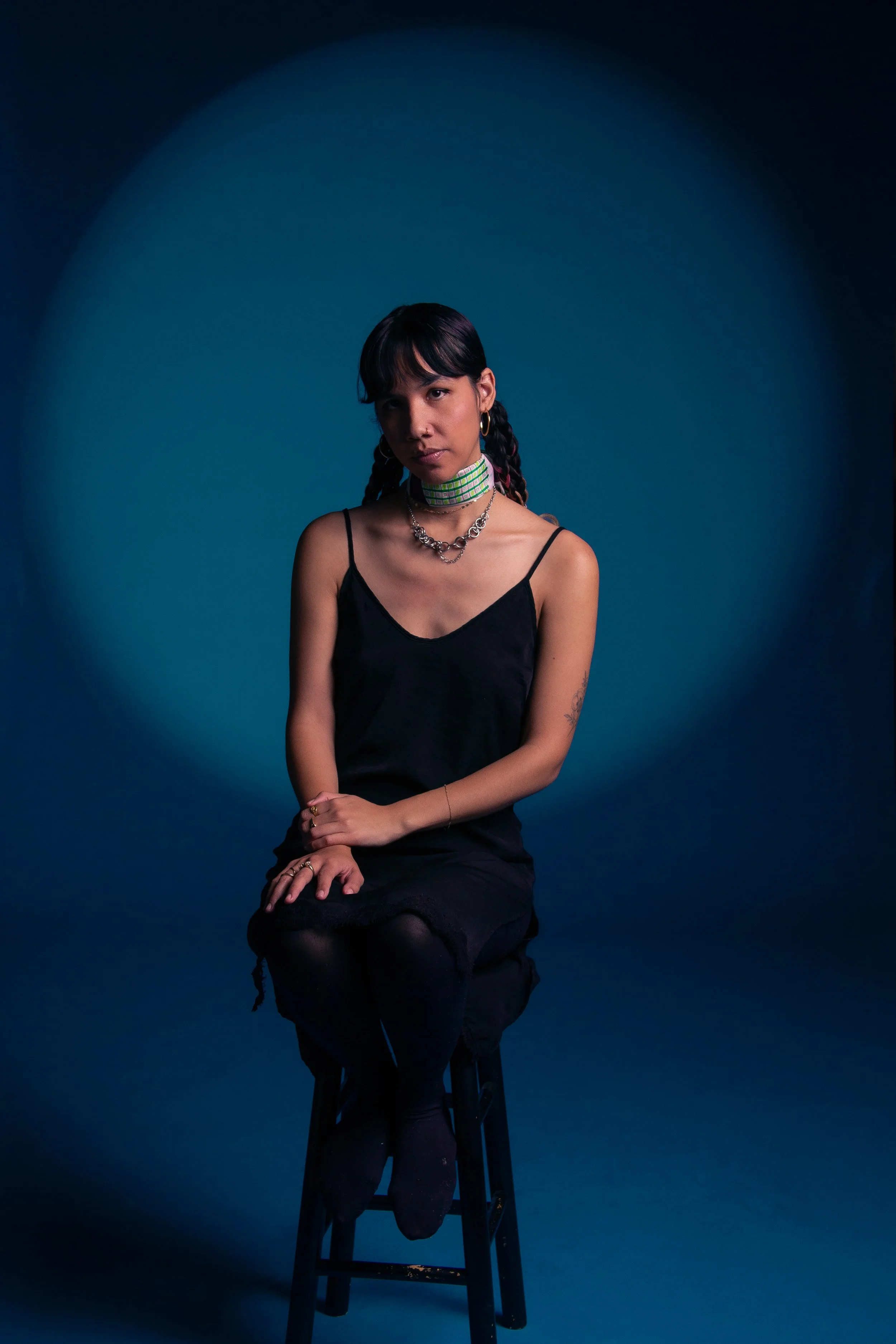
(( photo by Mikel Patrick Avery ))
IARC0111
Kalia Vandever
Mana
Out June 12, 2026
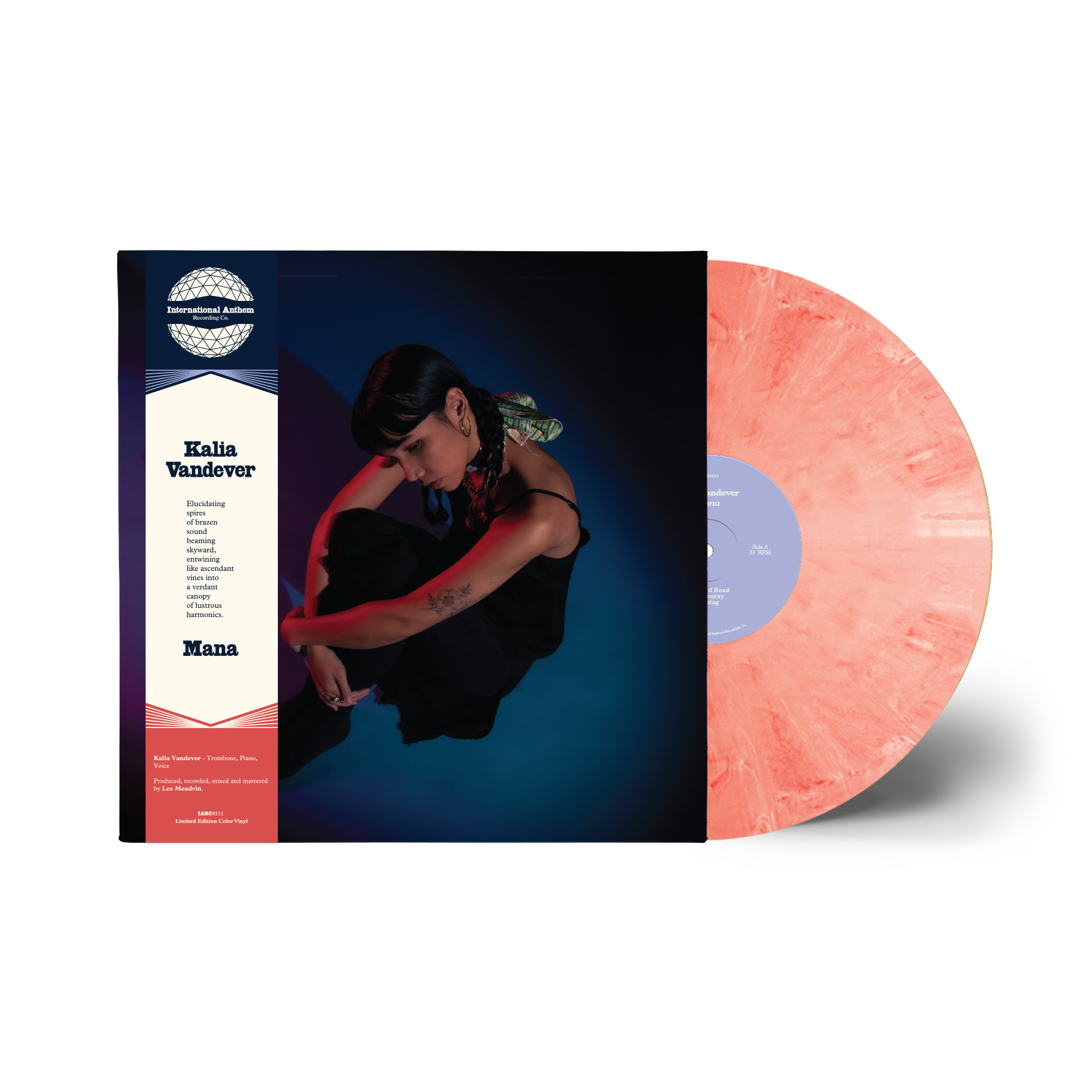
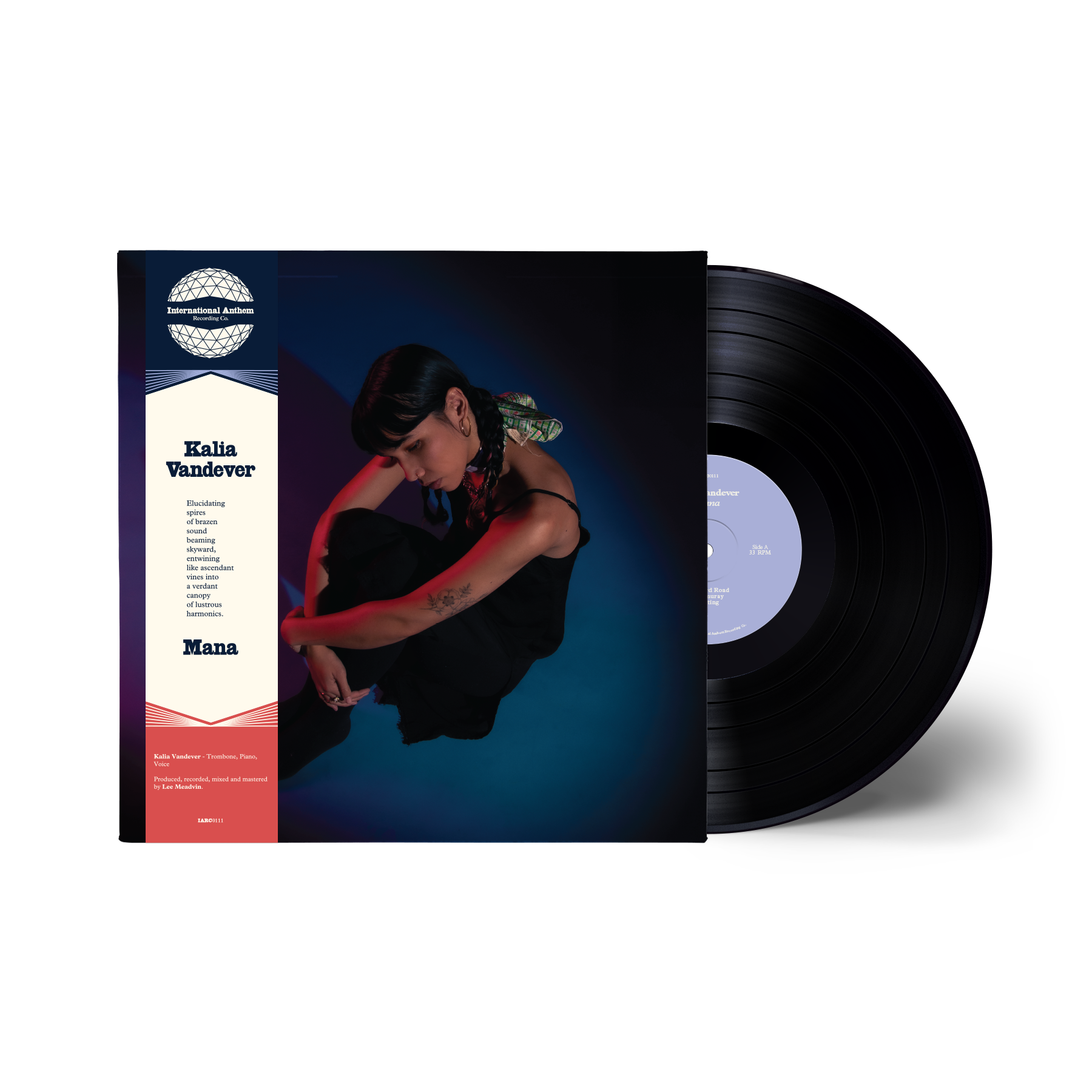
Mana is the International Anthem debut by composer, trombonist and vocalist Kalia Vandever. This new full length carries on the expansive and dazed spirit of their first solo album, We Fell In Turn, while entering a new landscape of spacious songwriting.
Vandever’s music has quickly and widely gained traction in the last few years despite the fact that their style has been consistently difficult to pin down, boasting a compositional scope ranging from the cinematic modern jazz of their quartet work to the synthetic, gauze-like droning ambience of their solo material. Mana leans into the expansion of the latter: solo trombone filtered through a well-dialed pedalboard and manipulated live, paired with spare piano à la late-career work of Ryuichi Sakamoto. The electroacoustic interplay simultaneously echoes and transforms the long-note melodicism of Vandever’s melancholic brass work; and the whole sound is emotively augmented with head-on, unambiguous, and deeply personal sung lyrics—a particularly fresh move for the composer. This dexterity has not gone unnoticed, with The Wire asserting, “Vandever has never sounded more assured and in control of their many strengths.”
“It was born out of curiosity,” says Vandever of the new record. “Of wanting to explore playing in a solo context, but also wanting to interact with my own sound. I was also asking myself things like ‘how can I do this in a way that feels personal, but different from what I've seen?’ It's allowed me to go deeper into my relationship with the instrument and with sound in general.”
A turning point in that development came when Vandever began to get more opportunities to play outside of the context of the jazz world. Some of those opportunities came in the form of playing a part in backing groups for pop stars (Harry Styles) or indie-rock mainstays (Japanese Breakfast), but the true exploration of Vandever’s own sound personality came while performing solo to new audiences unconcerned with genre. In particular, an opening slot on a tour with folksinger Haley Heynderickx seemed to knock something loose. There was, perhaps, less of a feeling that they needed to touch on jazz traditions in order to satisfy some kind of unspoken expectation from the audience—less perceived rigidity and, thus, less shyness about how to present. For Vandever, warming up the stage for Heynderickx and seeing a very different kind of crowd from the stage night after night helped to cement a sort of bravery about sharing a number of more intimate, lyric-centered pieces. “I was considering that they might gravitate more toward words,” says Vandever. “So I thought I could try these songs that I had been developing, that maybe I was feeling a little nervous to share."
“When I started opening for Haley, her audiences were just so giving and really open to receiving anything,” they continue. “So I started trying these songs and I feel like the words really resonated with audiences. It felt important to include them on the record.”
It’s more than just the words that resonate here. There’s a sonic scope on Mana which tees up a deep world for these lyrics to live in whenever they appear. A full-bodied trombone awash in reverberation and polyphonic pitch-shifting introduces “Hubbard Road,” Mana’s opening track. Vandever’s trusty brass axe rings out with confident warmth and soft power, ascending and descending in register, before being joined by the song’s primary theme—two repeating grand piano triads. It’s a quietly tense musical figure that is slowly unwound by Vandever’s soul-bearing horn improvisations.
“Waiting” opens with solo trombone laid deeply in a dense web of cloudy effects, holding a warped mirror to Vandever’s melodic brass call. The two elements vie for position until the halfway mark, when the disorienting tonal wash wins out, soon joined by Vandever’s longing and contemplative high-register vocal work—not dissimilar to the alluring intimacy of Grouper or the obscure swoon of Victorialand era Cocteau Twins.
“Murmuray” is a could-be brass reverie, rendered ambient via the foghorn solitude of Vandever’s effect chain savviness. By the 1:30 mark it’s transformed into a droning take on a tune grandma might have hummed, appropriate for the early riser’s first step into the day or the night owl’s weary and quiet walk home.
The track’s title is an Ilocono term used to describe waking and being fully awake. “Ilocono is one of three most common languages in the Philippines and was spoken primarily by my maternal grandfather,” says Vandever, who learned the term when their grandmother used it to describe their voice on a phone call. “I'm very close to my grandma on my mom's side. She's the only one in the family who sings, and I grew up listening to her sing Hawaiian folk songs. I feel like her singing encouraged me to discover my voice. She's been an influence of mine for my whole life.”
For Vandever, that family connection and that lineage cannot be overemphasized. In the liner notes for Mana, they focus on the importance of Hawaiian mythology and ancestry as inspiration for their solo work. Mana, which in Hawaiian means “foundational, supernatural, or divine power and strength,” reveals more of their voice and words, drawing from yearning, loss, and bewilderment.
From Vandever's liner notes for Mana: "Mana in Hawaiian culture is the divine and supernatural spirit that gives strength and power to living beings, places, and objects. In traditional Hawaiian society, mana lived in Ali'i, known as chiefs and royalty who upheld the kapu (code of conduct) and cared for their people and the land. They possessed the most mana due to their believed relation to Gods and their responsibilities to the islands. In modern culture, mana can be felt, cultivated, and strengthened as you grow closer to your inner self, native land, and ancestral power. I carry the stories, wisdom, and care of my ancestors as I navigate grief, love, community, and exploration and feel my sense of mana deepening when I play for them."
In the last few years Vandever has had several opportunities to travel to Hawaii to play music, and it seems to have shed new light onto their personal connection to Hawaiian mythology and ancestry and how it relates to their musical expression—a meeting of their familial and professional life that represents a sort of closing of a circle.
“My experience of going to Hawaii when I was younger was purely to see family, and it always felt very separate from music,” they explain. “A lot of my Hawaiian family doesn’t really travel, so they weren't able to see me perform until the last couple of years. I’m just feeling really grateful that there's been this convergence, and I feel like it really influences the way that I play, and to have this confidence and when I play the solo set. I think a lot about the presence of family and ancestry when I play—connection with family that I've lost.”
The final song on Mana is “Holding,” Vandever’s version of a breakup song. Swirling, suspended chords pile up beneath a trombone-led intro, concentrating into droning clusters of soft synth-like sound. These frenetic yet melodically unchanging tones become a gentle beeswarm bed for Vandever’s simple and direct lyricism, the most apparent point of new growth on the album itself, delivered with the same floating confidence as their trombone work:
Holding on to you
Will you hold me til the end?
Will you release me?
I will release you
I am holding
Retail Locations
-
• Amsterdam, NL - Rush Hour
• Appleton, WI - Eroding Winds
• Asheville, NC - Harvest Records
• Atlanta, GA - Wax N Facts
• Austin, TX - End of An Ear
• Austin, TX - Waterloo
• Austin, TX - End of An Ear
• Berkeley, CA - Amoeba Music
• Bloomington, IN - Landlocked Music
• Brighton, UK - Mr Bongo
• Bristol, UK - Rough Trade
• Brooklyn, NY - Finer Sounds
• Calgary, AB - Melodiya Records
• Cheltenham, UK - Badlands Record Shop
• Chicago, IL - Dusty Groove
• Chicago, IL - Laurie's Planet of Sound
• Chicago, IL - Rattleback Records
• Chicago, IL - Reckless Records (Belmont)
• Chicago, IL - Reckless Records (Loop)
• Chicago, IL - Reckless Records (Wicker Park)
• Chicago, IL - Shuga Records
• Chicago, IL - 606 Records
• Cincinnati, OH - Feel It Records
• Colchester, UK - The Jazz Vault
• Columbus, OH - Records Per Minute
• Dallas, TX - Josey Records
• Davenport, IA - Ragged Records
• Dayton, OH - Omega Music
• Denver, CO - Twist & Shout
• Dublin, IE - Tower Records
• Edinburgh, UK - Good Vibes
• Edinburgh, UK - Underground Solutions
• Edmonton, AB - Listen Records
• Encinitas, CA - Lou's Records
• Glasgow, UK - Haven’t You Heard
• Golden Valley, MN - Down in the Valley
• Greenwich, UK - Casbah Records
• Halifax, NS - Taz Records
• Kansas City, MO - Josey Records
• Little Canada, MN - Cheapo Discs
• Liverpool, UK - Rough Trade
• London, UK - Rough Trade (East)
• London, UK - Sounds of the Universe
• London, UK - Phonica
• London, UK - Stranger Than Paradise
• London, UK - Dreamhouse Records
• London, UK - Rough Trade (West)
• London, UK - Rough Trade (Soho)
• Los Angeles, CA - Record Surplus
• Loveland, OH - Plaid Room Records
• Madison, WI - B-Side Records
• Manchester, UK - Piccadilly Records
• Milwaukee, WI - Acme Records
• Milwaukee, WI - Lilliput Records
• Minneapolis, MN - Electric Fetus
• Montreal, QC - Atom Heart
• Montreal, QC - Aux 33 Tours
• Montreal, QC - Atom Heart
• Nashville, TN - Grimey's
• Newport, UK - Mint and Sealed
• Norfolk, UK - Venus Vinyl
• Norridge, IL - Rolling Stones Record Store
• Norwich, UK - Soundclash
• Nottingham, UK - Rough Trade
• Olympia, WA - Rainy Day Records
• Orlando, FL - Park Ave CDs
• Phoenix, AZ - Stinkweeds
• Portland, OR - Super-Electric Records
• Princeton, NJ - Princeton Record Exchange
• Saint-Hyacinthe, QC - Frequences Le Disquaire
• San Francisco, CA - Stranded Music
• Seattle, WA - Silver Platters
• Sheffield, UK - Bear Tree Records
• St. Louis, MO - Euclid Records
• Sydney, AU - Fanatico Records
• Taipei, Taiwan - Beethobear Records
• Taipei, Taiwan - uou Records
• Taylorsville, UT - Graywhale
• Tenerife, ES - Hey Boy Hey Girl - Records & Things
• Toronto, ON - Dead Dog Records
• Toronto, ON - Sonic Boom
• Wallingford, CT - Redscroll Records
• West Palm Beach, FL - Rust & Wax
• Winnipeg, MB - McNally Robinson
• Winooski, VT - Autumn Records
Notes
All music composed & performed by Kalia Vandever. Album produced, recorded, mixed and mastered by Lee Meadvin at Koda Sound.
Cover photo by Isabel Gonzalez.
Thank you to my loving family, Corina, Kevin, Felicia, Frances, and Lilo. Thank you Mo, you're always with me. Thank you Lee for guiding this process. Thank you Hannah and the team at International Anthem for supporting this album.
About
Kalia Vandever (they/them) is a trombonist and composer living in New York. Praised by AllMusic as “a master musician and composer” and “a singular talent,” Vandever’s approach to the trombone is distinctive, defined by their sonorous tone and lyrical voicing. They lean into the challenges of the instrument and allow patience and melody to guide their process.