

Now Available
Asher Gamedze
Turbulence & Pulse

IARC0057: Asher Gamedze - Turbulence & Pulse
Released May 5, 2023

((( Photo by Dylan Valley )))
Gamedze’s critically-acclaimed debut album Dialectic Soul was released at the height of the Covid-19 pandemic in July 2020. Around the release of that record, with friend and writer Teju Adeleye he organized and participated in a joint online discussion “Poesis,” with historian Robin D.G. Kelley and others. One of the notable comments made in this session was by the poet and scholar Fred Moten, who described Gamedze’s drumming as an “amazing interplay between turbulence and pulse. Pulse is supposed to regulate and also be regular, but the turbulence underneath it and on top of it, it’s just extraordinary.” Moten added that this concept is a fundamental element of the percussive approach in Black music more broadly.
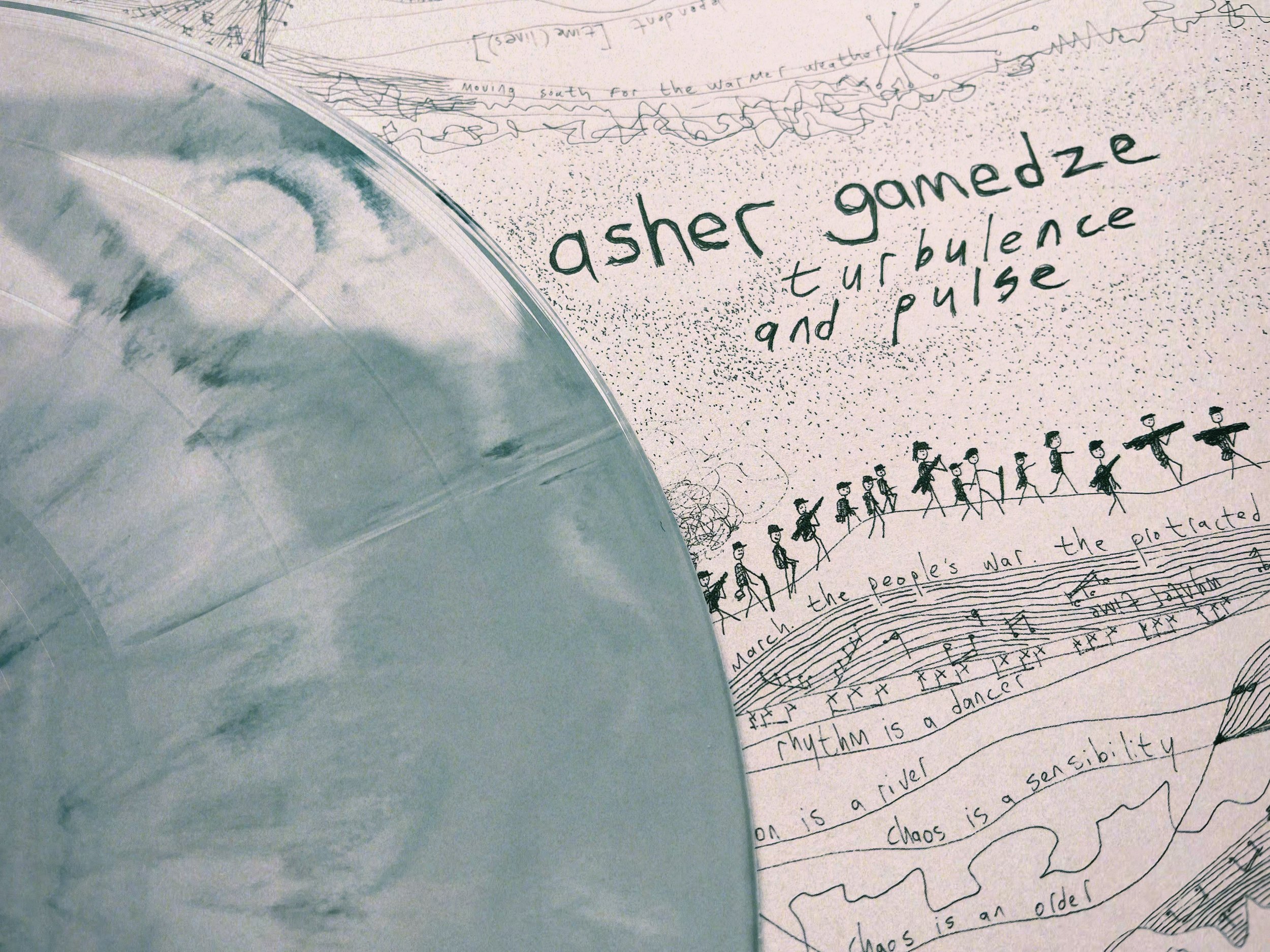
Turbulence and Pulse takes its title from this moment of synchronicities. Inspired by this description, Gamedze developed the metaphor further, expanding the concept of turbulence and pulse through the lens of history. “Time in music is a metaphor for thinking about time in history and how time moves,” he says. “The way we’re taught history is generally in a way that robs people of agency in imagining themselves as part of history and how it unfolds. It is something that happens to us. I think there's a productive metaphor in that because the sense of time in music is created by musicians playing together. If we can use that to think about history and time in history, you can see that, actually, history is created by people in a whole range of ways. At the heart of it, historical motion is created by people organized and acting together, whether for progressive or reactionary ends.”
For Gamedze, the underlying message of Turbulence and Pulse is “to claim a form of historical agency and realize that the future is not a foregone conclusion. As people we can organize, to transform our world in small and big ways.” This concept comes out of Gamedze’s involvement in radical cultural work and political organizing. He adds: “One of the ideas that I've had for a long time is to unsettle the way that people think about culture as something static or as something fixed. There’s this tension in Africa, because of the way that the colonists have constructed visions of African culture, where people speak about this need to conserve culture and document it. I think that's important, but you also have to understand that these things are moving. And we are the people who have to participate in that movement.”

((( Photo by Dylan Valley )))
While Dialectic Soul reached new audiences across the globe in 2020, Gamedze was in isolation at home in Cape Town. He couldn't travel and there were no gigs, so this meant spending a lot of time at home, writing and working on his history research, and working on music. The first opportunities to perform Dialectic Soul live would not come until 2022, so he used the time to compose music and prepare for a new album. “I got a piano just before lockdown. I had wanted one for a long time and I wrote most of Turbulence and Pulse on piano during the time that followed.”
He was initially meant to record at the end of 2020, but due to the difficulty of getting all the band members together and constant pandemic regulations changing, there were delays. Turbulence and Pulse ended up being recorded in two days of May 2021 at Sound and Motion Studios in Retreat, Cape Town, with sound engineer Carl Roberts.
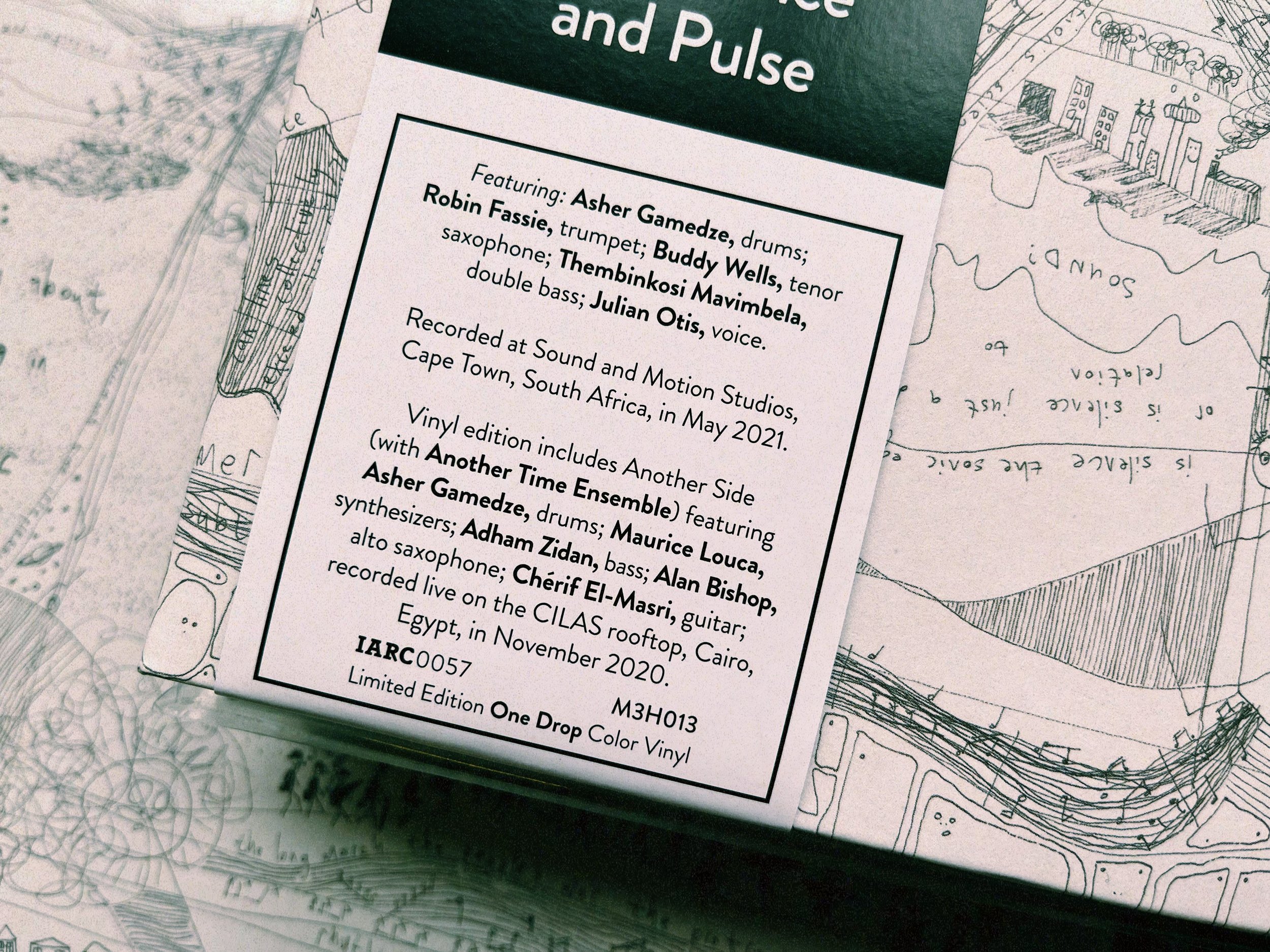
For the new record, Gamedze worked with the same musicians as Dialectic Soul, wanting to develop the sound further with those players. Joining Gamedze is Thembinkosi Mavimbela on bass, Buddy Wells on tenor saxophone, and Robbin Fassie on trumpet. Vocalist Julian Otis guests on a track - a good friend whom he met through Angel Bat Dawid’s band. “I chose these musicians specifically because I know that they’re open to understanding and interpreting the music from my perspective and my way of working.”
Describing some of the compositions, he says: “For this collection of songs on a musical level, each establishes a paradigm of motion, which draws on various traditions of music. Some songs are dedicated to individuals who have had a particular set of ideas around these concepts, or historical actors who've had particular kinds of impact on progressive politics.”
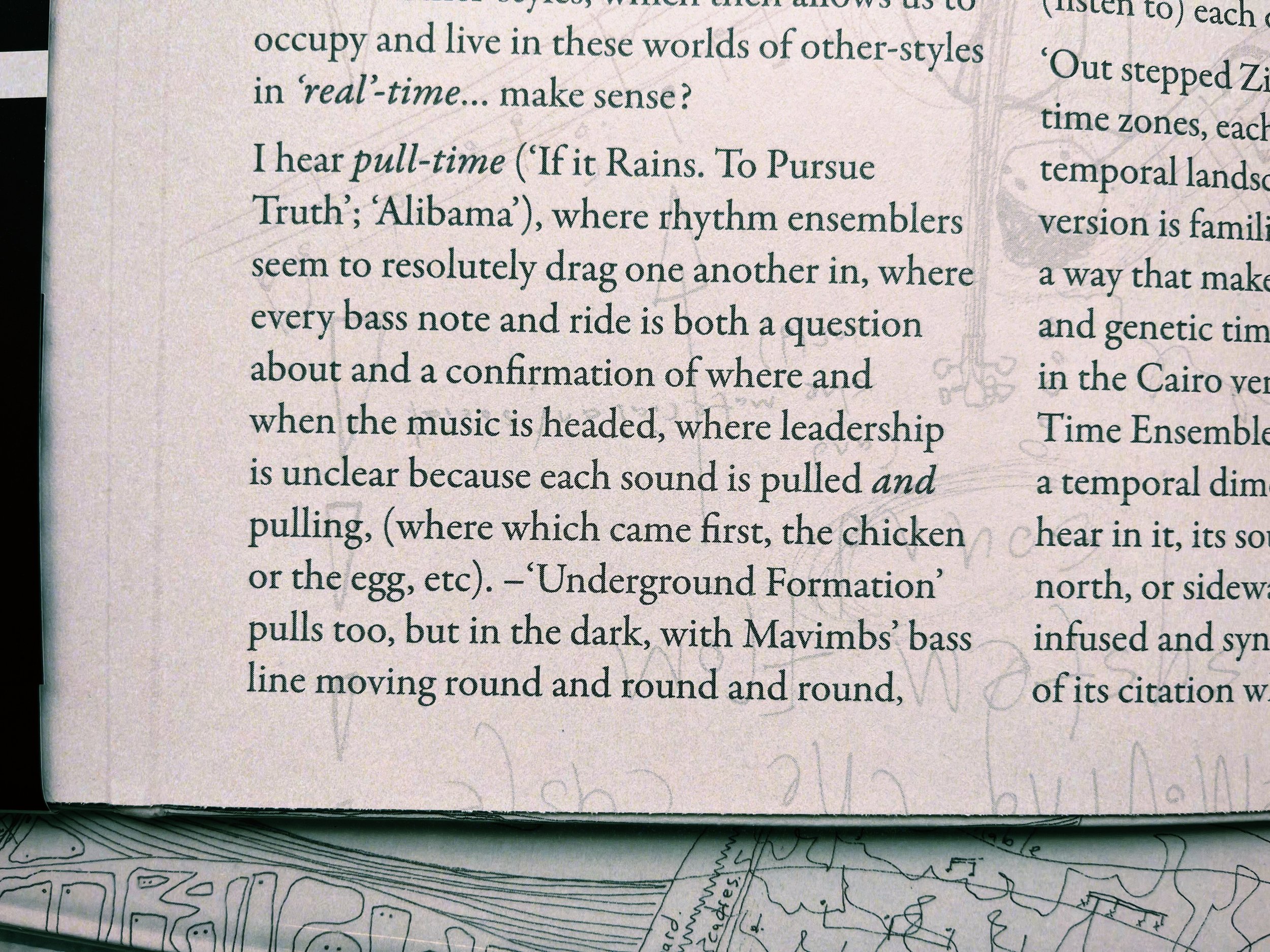
The album opener “Turbulence’s Pulse” is somewhat of a manifesto read by Gamedze, expressing the ideas and notions of time that inform the record. “Wynter Time” is dedicated to Black Caribbean radical intellectual Sylvia Wynter, in particular the book that she wrote called Black Metamorphosis. There is also a song dedicated to the late great South African saxophonist and philosopher Zim Ngqawana called “Out Stepped Zim.” Gamedze says “it's about his perspectives on the relationship between a sense of culture and tradition that you inherit, and are maybe at odds with, in various ways... It’s about being part of that living and changing tradition and figuring out your own orientation to that.” “Alibama” is based on a traditional folk song or ghoemaliedjie from the Cape Klopse musical tradition. “Daar kom die Alibama” is a song about the CSS Alabama, a Confederate Raider steam ship, which sailed to the shores of the Cape of Good Hope in 1863. “It’s a song that's from Cape Town. It tells us a range of stories about Cape Town as a place, Cape Town in the world, connections between all of the places in the world, Cape Town as a port city, and working class Black culture in Cape Town.”
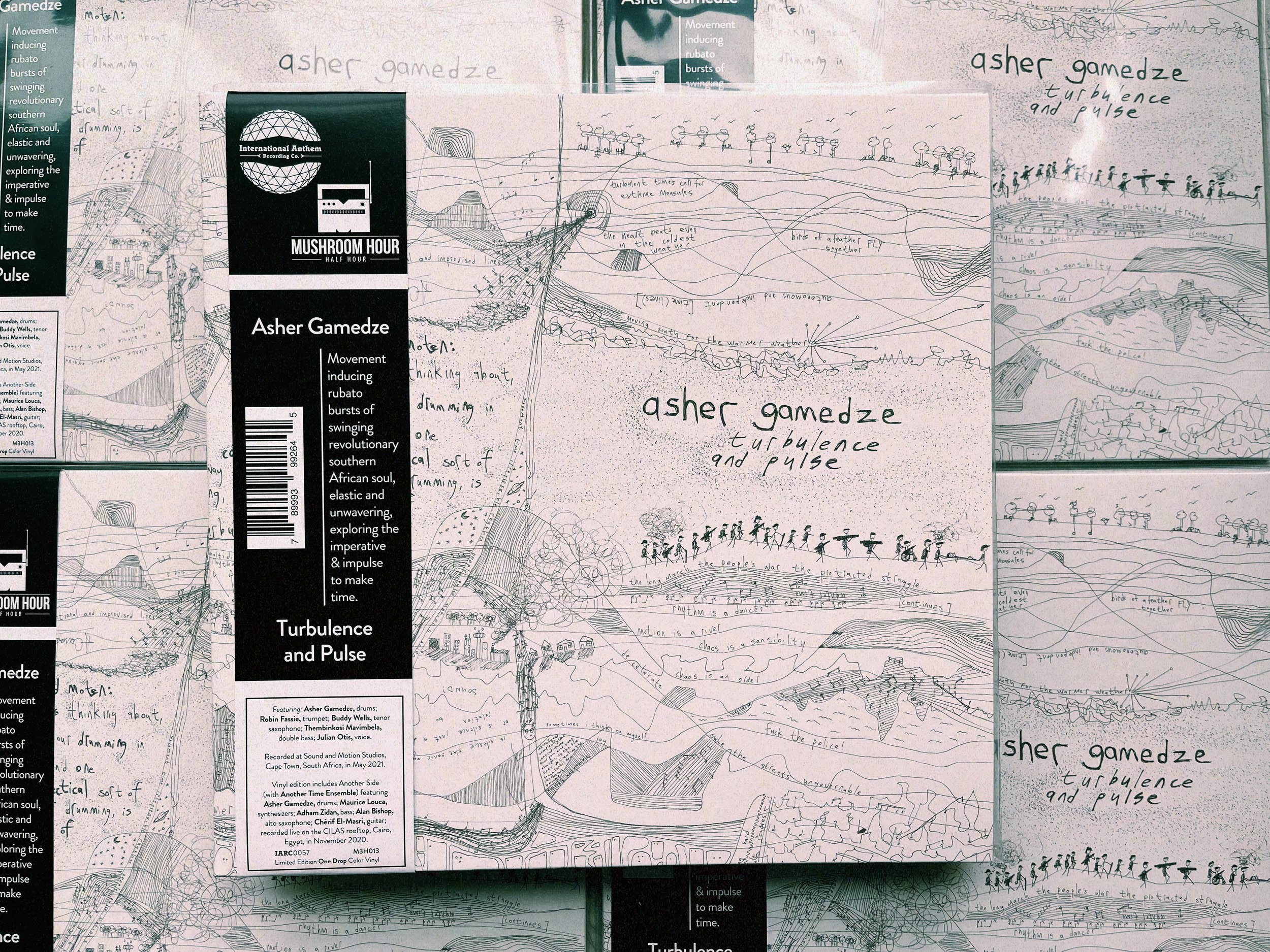
The LP, CD, and digital download versions of Turbulence and Pulse feature three additional tracks – alternate versions of “Melancholia,” “If It Rains. To Pursue Truth,” and “Out Stepped Zim” – all recorded in December 2020 on a rooftop in Cairo, Egypt, by Gamedze with his Another Time Ensemble featuring Cairo-based musicians Maurice Louca (synthesizers), Adham Zidan (bass), Alan Bishop (alto saxophone, voice), and Chérif El-Masri (guitar).
“Wynter Time”
In Gamedze's words:
Alienation of the dispossessed: Multinationals, neocolonialism and cold concrete. Transformative movement: Indigeneity, collectivity and new methods of struggle. Black Metamorphosis: New Natives in a New World. One time for Sylvia Wynter.
Learn more about resistance to Amazon's development here:
Notes
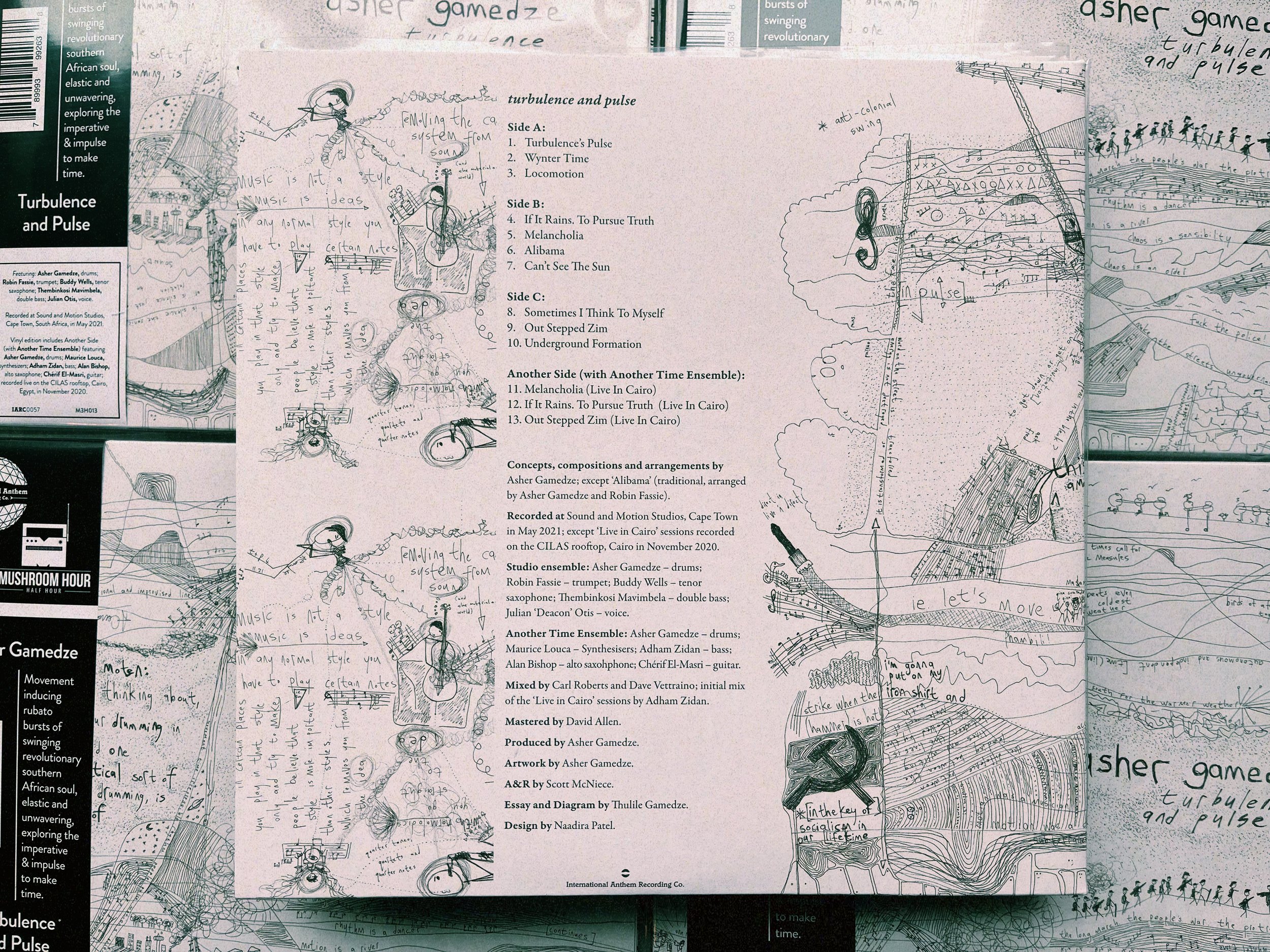
Concepts, compositions and arrangements by Asher Gamedze; except "Alibama" (traditional, arranged by Asher Gamedze and Robin Fassie).
Recorded at Sound and Motion Studios, Cape Town in May 2021; except 'Live in Cairo' sessions (album bundle-only bonus tracks) recorded on the CILAS rooftop, Cairo in November 2020.
Studio ensemble: Asher Gamedze – drums; Robin Fassie – trumpet; Buddy Wells – tenor saxophone; Thembinkosi Mavimbela – double bass; Julian ‘Deacon’ Otis – voice.
Another Time Ensemble (album bundle-only bonus tracks): Asher Gamedze – drums; Maurice Louca – Synthesisers; Adham Zidan – bass; Alan Bishop – alto saxophone; Chérif El-Masri – guitar.
Mixed by Carl Roberts and Dave Vettraino.
Initial mix of the ‘Live in Cairo' sessions (album bundle-only bonus tracks) by Adham Zidan.
Mastered by David Allen.
Produced by Asher Gamedze.
Artwork by Asher Gamedze.
Essay and Diagram by Thulile Gamedze.
Design by Naadira Patel.
A&R by Scott McNiece
About the Artist
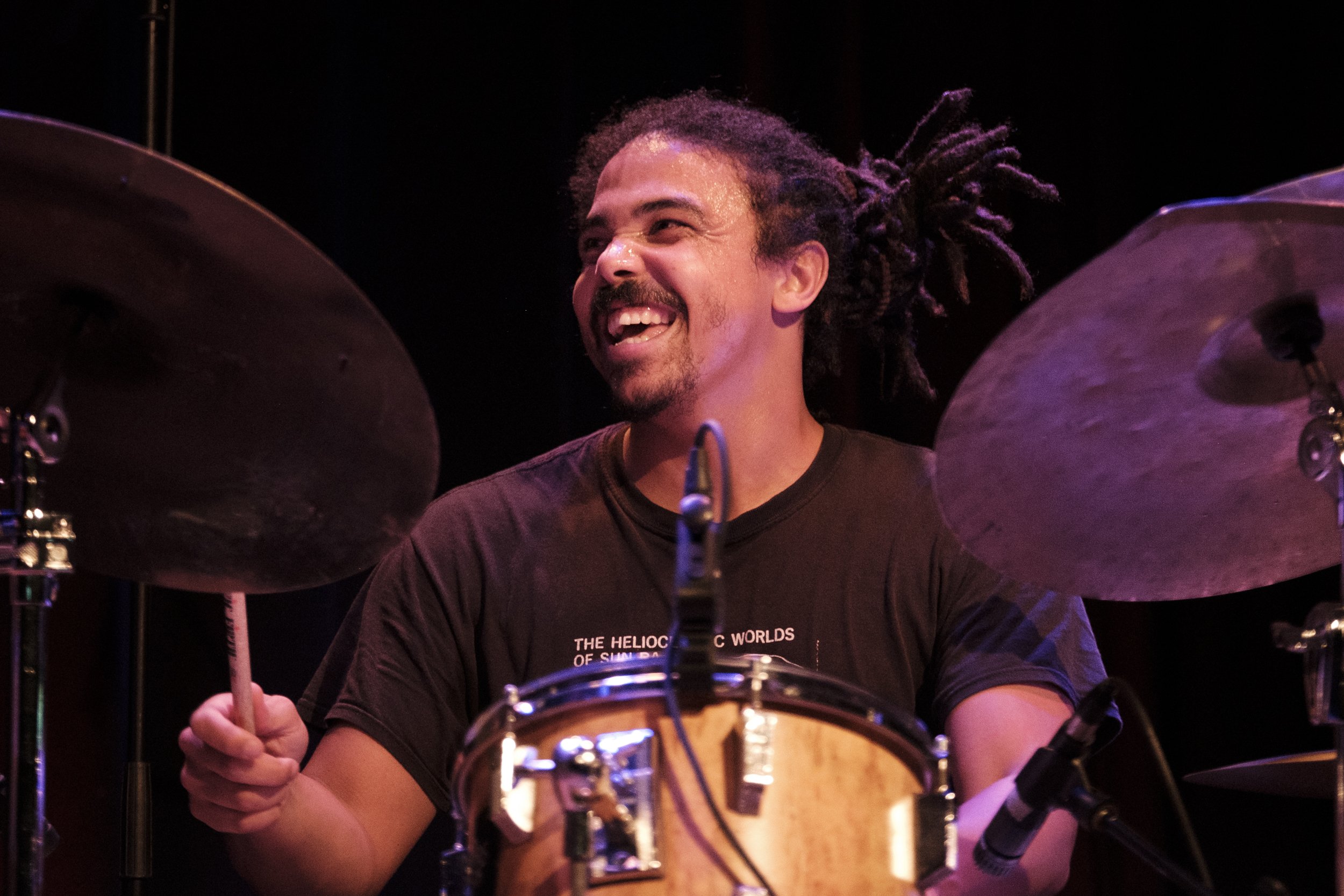
Asher Gamedze is a cultural worker based in Cape Town, South Africa, involved in music, education and history. As an independent musician he works as a drummer, composer and bandleader.